
How to Choose Between Class A and Class B CDL
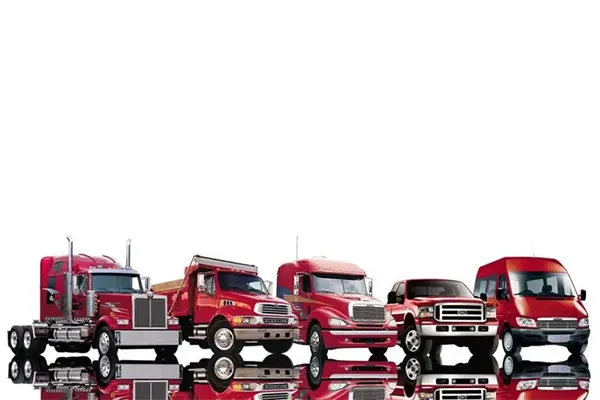
The choice between Class A and Class B CDL depends on the work you want to do and the lifestyle you prefer. Class A qualifies you to drive combination vehicles like tractor-trailers and opens the widest range of trucking jobs. Most Class B jobs are local or regional and often allow drivers to return home daily.
At SAGE Truck Driving Schools, we help students across our 20+ locations make this decision based on their goals. Our Class A program takes 4-6 weeks. Our Class B program takes 2-3 weeks.
This choice affects your daily schedule, income potential, and long-term opportunities. Both licenses lead to stable careers in an industry that needs qualified drivers.
Understanding CDL Classifications
The Federal Motor Carrier Safety Administration defines CDL types based on vehicle weight and configuration. The main distinction: are you operating a single vehicle or a combination of vehicles?
Class A CDL allows you to operate combination vehicles with a Gross Combination Weight Rating (GCWR) of 26,001 pounds or more, provided the towed vehicle exceeds 10,000 pounds. This covers tractor-trailers, flatbeds, tankers, and most long-haul trucks.
Class B CDL allows you to operate single vehicles with a Gross Vehicle Weight Rating (GVWR) of 26,001 pounds or more. You can tow a trailer, but it must weigh 10,000 pounds or less. This includes straight trucks, delivery vehicles, dump trucks, and buses.
The 10,000-pound trailer weight limit separates the two licenses.
| Feature | Class A CDL | Class B CDL |
| Vehicle Type | Combination (tractor-trailer) | Single unit (straight truck) |
| Weight Rating | 26,001+ lbs combined | 26,001+ lbs single vehicle |
| Trailer Weight | Over 10,000 lbs | 10,000 lbs or less |
| Common Vehicles | Semi-trucks, tankers, flatbeds | Dump trucks, buses, box trucks |
| License Scope | Can drive Class B and C vehicles | Can drive Class C vehicles only |
| Primary Routes | Interstate, regional, local | Local, regional |
A Class A license includes Class B privileges. With a Class A CDL, you can legally drive any Class B vehicle. The reverse isn’t true.
Class A CDL: What You Need to Know
Vehicles You Can Drive
Class A qualifies you to operate articulated combination vehicles:
- Tractor-trailers (semi-trucks)
- Flatbed trucks
- Refrigerated trailers (reefers)
- Tanker trucks
- Livestock haulers
- Any Class B or Class C vehicle
Here are a couple examples of Class A jobs:
- Walmart Fleet Driver
- Fuel Transport Driver
- Construction Materials Hauler
- Heavy Equipment Transport
- Refrigerated Food Delivery
- Long-Haul Freight
The articulation point between tractor and trailer requires different techniques than straight trucks. Backing, turning, and managing the longer vehicle all need specialized training.
Training Requirements
Class A training is more comprehensive than Class B because of articulated vehicle complexity. Federal Entry-Level Driver Training standards require specific curriculum from an approved provider.
Our Class A program includes 150-160 hours of instruction. This breaks into classroom theory and behind-the-wheel training. Theory covers traffic laws, safety regulations, and vehicle systems. Behind-the-wheel focuses on vehicle control, maneuvering, and road operation.
We structure training around one-on-one instruction. When you’re scheduled for driving, you’re the only student in the truck with your instructor. You get actual seat time, not observation time.
Training covers coupling and uncoupling, pre-trip inspections, basic vehicle control (offset backing and alley docking), and on-road driving in various conditions. Most students complete the program in 4-6 weeks attending full-time.
Earning Potential
Class A drivers generally earn more than Class B drivers. Recent industry salary data indicates the national average for entry-level Class A drivers at approximately $78,621 annually.* Experienced drivers in specialized roles earn significantly more.
California shows strong regional variation based on location and market conditions. These figures reflect 2026 market data and vary by experience, endorsements, and hauling type.
Adding endorsements increases earning potential. A tanker endorsement (N) combined with hazardous materials (H) creates the X endorsement. This positions drivers for fuel transport and chemical logistics. Industry data shows drivers with specialized endorsements often see significant pay increases.
*Driver salaries and pay rates vary by location, miles, and additional industry factors.
Lifestyle Considerations
Class A jobs fall into three main categories based on home time:
Over-the-road (OTR) drivers spend 2-3 weeks on the road, sleeping in the truck’s sleeper berth. This provides the highest independence. It requires extended time away from home.
Regional routes offer weekly home time while covering significant distances. Drivers operate within a multi-state area.
Dedicated routes follow consistent paths for a single customer. Some dedicated Class A positions offer daily or near-daily home time.
The lifestyle varies based on route type. OTR suits people who don’t mind extended travel and value independence. Regional and dedicated routes work better for those with family commitments.
Class B CDL: What You Need to Know
Vehicles You Can Drive
Class B qualifies you to operate straight trucks and buses:
- Delivery trucks (box trucks)
- Dump trucks
- Cement mixers
- Garbage trucks
- Tow trucks
- City buses
- School buses (with passenger endorsement)
- Water trucks
Here are a couple examples of Class B jobs:
- UPS Package Driver
- Ready-Mix Concrete Driver
- School Bus Driver
- Transit Bus Operator
- Utility Company Driver
- Propane Delivery
These are single-unit vehicles. Unlike Class A tractor-trailers, there’s no articulation point. The entire vehicle turns as one unit. This simplifies some maneuvers but creates different challenges in tight urban spaces.
Training Requirements
Class B training focuses on single-vehicle operation. The curriculum covers the same safety fundamentals as Class A but without articulated vehicle dynamics.
Our Class B program runs approximately 80 hours over 2-3 weeks. Students learn commercial driving theory, basic operation of straight trucks, safe operating practices, and advanced urban navigation techniques.
Like our Class A training, Class B uses one-on-one instruction. You get personalized coaching tailored to your learning pace and skill needs.
The shorter duration means faster workforce entry. For someone who needs to start earning quickly or wants to test commercial driving before committing to Class A, Class B provides a faster path.
Earning Potential
Class B drivers typically earn less than Class A but enjoy more predictable schedules. National salary data for 2026 shows Class B drivers averaging $48,699 annually, with ranges between $42,000 and $53,000 for most positions.*
Regional markets show variation based on local employment patterns. Some California markets like Soledad show higher averages due to specialized agricultural or industrial needs.
Municipal and government positions often include strong benefits. School bus drivers, waste management operators, and transit drivers frequently receive pension plans, health insurance, and paid time off. These benefits aren’t always available in entry-level Class A positions.
*Driver salaries and pay rates vary by location, miles, and additional industry factors.
Lifestyle Considerations
Class B jobs are predominantly local. Most positions follow a standard schedule: report in the morning, complete your route, return home in the evening.
This predictability appeals to drivers who want:
- Daily home time
- Consistent schedules
- Community-based work
- Clear separation between work and personal time
Common Class B roles include school bus driver, delivery driver for local businesses, waste management operator, and construction vehicle operator. These positions integrate into local infrastructure rather than long-distance freight networks.
The trade-off is lower earning potential compared to Class A. For many drivers, the lifestyle benefits justify this difference.
Comparing Training Programs
Understanding the investment required helps you plan your path into commercial driving.
| Factor | Class A Training | Class B Training |
| Duration | 4-6 weeks | 2-3 weeks |
| Total Hours | 150-160 hours | Approximately 80 hours |
| Tuition Range | $4,000-$5,000 | $3,000-$4,500 |
| Training Focus | Articulated vehicle operation | Straight truck operation |
| Vehicles Covered | Tractor-trailers, combination vehicles | Single-unit trucks, buses |
| Skills Emphasized | Coupling, advanced backing, long-distance operation | Urban navigation, local delivery, passenger safety |
| Time to Employment | 4-6 weeks | 2-3 weeks |
| Career Flexibility | High (can drive any commercial vehicle) | Moderate (limited to straight trucks) |
| Home Time | Varies | Usually Daily |
Both programs meet FMCSA ELDT requirements and prepare you for CDL examination. The difference lies in equipment complexity and career options.
Financial assistance is available for both programs. Many students use workforce development grants, VA benefits for qualifying veterans, or payment plans. Contact one of our locations to discuss funding options.
Making Your Decision
Your choice should align with your career goals, lifestyle needs, and financial situation.
Choose Class A If:
You want maximum career flexibility. Class A allows you to pursue any commercial driving opportunity. If you’re unsure what type of driving you’ll want long-term, Class A keeps all options open.
You’re comfortable with extended travel. OTR and regional routes require time away from home. If this doesn’t concern you, Class A provides access to these higher-paying positions.
You want the highest earning potential. Class B drivers earn stable incomes. Class A drivers have a higher ceiling, especially with endorsements for specialized hauling.
You’re willing to invest more time upfront. The 4-6 week training is longer than Class B. The investment pays off in career options and earning potential.
You value independence and variety. Long-haul driving offers autonomy and constantly changing scenery.
Choose Class B If:
You prioritize daily home time. If being home every night matters more than maximum earnings, Class B aligns better with this priority.
You want to enter the workforce quickly. The 2-3 week training gets you working faster than Class A.
You prefer local work. Delivery routes, municipal services, and school transportation keep you in familiar territory.
You’re testing commercial driving. If you’re unsure whether commercial driving suits you, the shorter Class B program provides a lower-risk entry point.
You have specific local job opportunities. If you already have a local employer in mind or know of strong Class B opportunities in your area, this might be the practical choice.
You plan to upgrade later. Some drivers start with Class B to begin earning, then upgrade to Class A. We offer upgrade training for this path.
Special Considerations
Endorsements Matter for Both Licenses
Endorsements expand what you can haul or who you can transport. Both Class A and Class B drivers can pursue most endorsements:
Hazardous Materials (H): Allows you to transport hazardous materials. Requires a TSA background check and separate written exam. Fortune Carriers’ analysis shows hazmat drivers often see significant pay increases.
Tanker (N): Qualifies you to drive vehicles designed to transport liquids or gases in bulk. Requires a separate written exam.
X Endorsement/Combination (X): The tanker and hazmat endorsements together. This is among the most valuable endorsements for increasing earning potential.
Passenger (P): Required for driving buses or vehicles designed to carry 16 or more passengers. Essential for school bus or transit drivers.
School Bus (S): Required specifically for school bus operation. Combines with the passenger endorsement.
Doubles/Triples (T): Class A only. Allows you to pull double or triple trailers.
Endorsements require additional testing but don’t require additional behind-the-wheel training. You can add them after obtaining your CDL.
Upgrading from Class B to Class A
Starting with Class B and upgrading later is a valid strategy. This approach allows you to:
- Begin working and earning within 2-3 weeks
- Gain commercial driving experience with a simpler vehicle
- Determine if you enjoy commercial driving before the larger Class A investment
- Save money from your Class B job to fund Class A training
The upgrade training focuses on articulated vehicle operation. You already understand commercial driving fundamentals from Class B. Training concentrates on coupling procedures, trailer dynamics, and combination vehicle maneuvering.
At SAGE, our upgrade program takes approximately 80 hours. You’re not starting from scratch. You’re adding articulated vehicle skills to your existing foundation.
The downside is paying for training twice. If you know you want Class A, getting it initially is more cost-effective. If you’re uncertain or need to start earning quickly, the upgrade path provides flexibility.
Regional Considerations
Some locations have more opportunities for one license type. Port cities and interstate highway corridors typically have robust Class A opportunities. Urban areas with significant local delivery, waste management, and transit needs often have strong Class B markets.
Before choosing, research your local job market. What types of driving jobs are most common? What do local employers need? This practical consideration might influence your decision.
California drivers should note the state’s zero-emission mandates will affect both license types. Box trucks and buses must transition to zero-emission by 2035. Sleeper cab tractors have until 2042. The regulatory landscape is changing. Both Class A and Class B drivers remain part of the transportation sector.
Your Next Step
There isn’t a “better” CDL – only the one that fits your goals. Whether you choose Class A or Class B, you’re entering an industry that keeps America moving and offers opportunities for stable, meaningful work.
At SAGE, we’ll help you choose the path that’s right for you and provide the training to get you there.
Ready to start your CDL training? Call us at 602-813-0343 or visit our website to discuss which program fits your goals. You can also find your nearest location and schedule a visit.
We’re here to answer your questions and help you make the right choice.
Please fill out the information below and our team will reach out to chat about your options.