How to Become a HAZMAT Tanker Driver
Becoming a HAZMAT tanker driver requires a CDL of the appropriate class for the vehicle you will operate, along with both the Hazardous Materials and Tank Vehicle endorsements. These are commonly displayed together as an X endorsement. Many tractor-trailer tanker positions require a Class A CDL, while some straight-truck tanker positions require Class B. At SAGE Truck Driving Schools, we’ve helped thousands of students earn their CDL across our 20+ locations nationwide, and understanding what comes next is a good place to start.
Whether you’re a new driver or already have your CDL, adding endorsements makes you more marketable. HAZMAT tanker is one of the most specialized roles in trucking, and if you’re seriously thinking about going that route, here’s what you need to know.
What is a HAZMAT tanker truck?
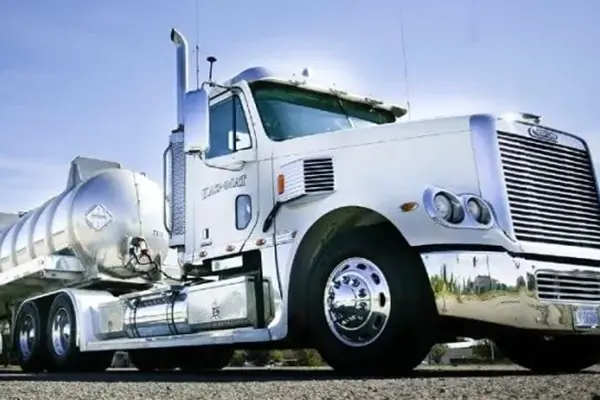
A HAZMAT tanker is a commercial motor vehicle that transports hazardous materials in a tank or cargo tank. Depending on the operation, the cargo may include fuel, industrial chemicals, compressed or liquefied gases, corrosive materials, or other regulated hazardous products.
HAZMAT tanker drivers aren’t limited to hauling hazardous materials, though. Holding both the H and N endorsements means you can drive any tanker, including non-hazardous loads. That flexibility makes the X endorsement (which combines both) one of the most versatile additions to a CDL.
HAZMAT tanker driver requirements
To become a certified HAZMAT tanker driver, you’ll need to add specific endorsements to your existing CDL. Here’s the full list of requirements:
- Complete an approved ELDT Hazmat Endorsement Theory Training course through a provider listed on FMCSA’s Training Provider Registry if obtaining the H endorsement for the first time (ProDriverU offers the federally required HAZMAT ELDT theory course and reports successful completion to FMCSA’s Training Provider Registry. The online course is not valid for Washington’s separate HAZMAT training requirements; Washington applicants must use a Washington approved provider; learn more about ELDT requirements)
- Hold a valid CDL of the appropriate class for the vehicle
- Pass the Tank Vehicle Knowledge Test
- Pass the HAZMAT knowledge test at your state DMV
- Be at least 21 years old
- Meet TSA’s immigration-status and security-eligibility requirements
- Maintain the medical certification required for the applicable CDL operation
- Complete a TSA security threat assessment (see below)
- Completing employer-provided HAZMAT employee training required for the actual job functions
The TSA background check
The TSA security threat assessment is a mandatory federal requirement for every driver who wants to obtain, renew, or transfer a Hazardous Materials Endorsement (HME). No state can issue the endorsement without TSA clearance first.
The assessment covers an FBI fingerprint-based criminal history check, immigration status verification, and terrorism watch list screening. It’s valid for 5 years.
Depending on your state, you’ll either complete this at a TSA Enrollment by IDEMIA center (available at 200+ locations nationwide, see more information here: TSA PreCheck® Enrollment Centers | Transportation Security Administration) or directly through your state DMV. TSA recommends starting the process 60 days before you need the endorsement, as processing typically takes TSA recommends beginning the process at least 60 days before you need the endorsement. Many applicants receive a decision within several days, but applications requiring additional review can take up to 60 days.
Eligible HME holders may receive TSA PreCheck benefits without a separate PreCheck enrollment. To participate, enter the two-letter abbreviation for the CDL-issuing state followed by the CDL number in the Known Traveler Number field when making an airline reservation.
Obtaining the X endorsement is not the end of the training process. Once hired, a HAZMAT driver must also complete employer-provided training covering the specific materials, equipment and job functions involved. Federal HAZMAT employee training includes general awareness, function-specific, safety and security training and must be repeated at least every three years.
Does HAZMAT tanker driving require a lot more skill?
Truck driving is a demanding career on its own. HAZMAT tanker drivers take on additional responsibility, both technical and personal.
Drivers must know how to recognize an emergency, protect themselves and the public, consult the required emergency-response information, secure the area when possible, and promptly contact the appropriate emergency responders. They should perform containment or cleanup activities only when specifically trained, equipped and authorized to do so.
Beyond technical knowledge, HAZMAT drivers tend to be patient, detail-oriented, and disciplined about route planning. Certain roads and tunnels restrict HAZMAT vehicles, so planning ahead isn’t optional, it’s part of the job.
What specific challenges do HAZMAT tanker drivers face?
HAZMAT tanker drivers deal with challenges that go beyond what standard freight drivers encounter:
- Handling dangerous materials: You need to understand the hazards of each material you carry, reactions, containment requirements, and what to do if something goes wrong.
- Regulatory compliance: Federal regulations govern how HAZMAT is labeled, documented, and transported. These rules change, and it’s on you to stay current.
- Emergency response: HAZMAT drivers are trained in the specific protective and containment measures for the materials they haul.
- Route planning: Some roads, tunnels, and areas have restrictions or outright bans on certain HAZMAT cargo. Routes require careful advance planning.
- Increased inspections: HAZMAT vehicles are subject to more frequent roadside inspections and higher maintenance standards.
What does the career path look like?
HAZMAT tanker driving offers several directions for advancement. If you’re still deciding which CDL endorsements make sense for your goals, it’s worth comparing your options before committing to a path.
- Specialization: Focusing on specific materials, fuels, chemicals, gases, can lead to higher pay and more consistent work.
- Additional certifications: Safety and compliance training can qualify you for higher-paying positions or supervisory roles.
- Management: Experienced drivers often move into dispatcher, safety compliance, or logistics management roles.
- Owner-operator: Some drivers eventually own their trucks and operate independently, which increases earning potential but adds business responsibilities. There are additional insurance, registration, equipment, permitting and compliance responsibilities. Prospective owner-operators should carefully evaluate these obligations before entering the market.
- Training roles: Drivers with years of HAZMAT experience are well-positioned to become trainers or safety educators.
Is HAZMAT tanker driving right for you?
HAZMAT tanker driving is a legitimate career path for drivers who want to specialize and take on more responsibility. It comes with real demands, more paperwork, more regulation, more stress in high-stakes situations. For the right person, it’s also one of the more rewarding and challenging positions in trucking.
If you’re ready to start with your CDL and build toward endorsements like HAZMAT, SAGE Truck Driving Schools has locations across 14 states with new classes starting every two weeks. Contact us to talk through your options.
The information in this article is based on data available at the time of writing and is intended to inform and guide prospective CDL trainees. For the most current information about CDL training programs, contact SAGE Truck Driving Schools directly.
Please fill out the information below and our team will reach out to chat about your options.